Brake Hoses: The Invisible Guardian of Vehicle Safety
As a core safety element of modern passenger vehicles, the reliability of the braking system directly determines overall driving safety.
Within this critical system, the brake hose plays an important role in hydraulic transmission, and its quality directly affects the effective delivery of braking performance.
Among the various material options available, rubber brake hoses have become a widely used solution in automotive manufacturing due to their unique material properties.
The consequences and hazards of brake hose issues:
A burst brake hose can cause the braking system to fail, leaving it unable to provide sufficient braking force and possibly severely affecting passenger safety.
Leakage in a brake hose can lead to brake fluid loss, reduced braking effectiveness, and increased stopping distances, which can significantly increase the risk of accidents.
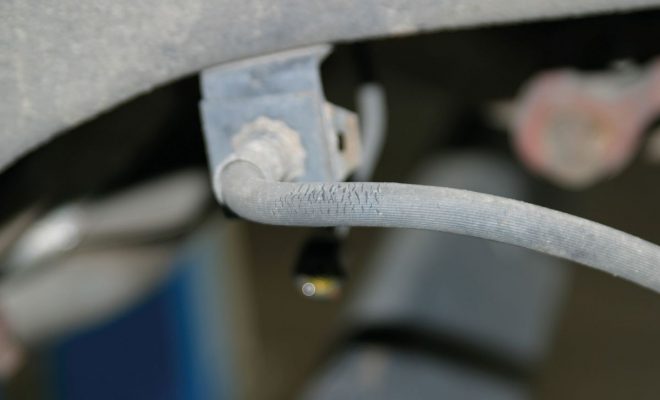
Fine cracks in a brake hose allow moisture ingress, which lowers the boiling point of the brake fluid, leading to internal corrosion within the braking system.
Swollen brake hoses can trap hydraulic pressure, preventing the brakes from releasing correctly and potentially causing them to overheat.
Aging and cracking of the brake hose can reduce its pressure resistance, making it prone to bursting or leaking, posing a major safety hazard.
Damage such as scratches, cuts, bubbles or bulges typically occurs under harsh road conditions or due to improper handling, and these issues can affect the integrity and function of the hose.
Additionally, using brake hoses beyond their service life can result in decreased braking performance and increased safety risks.
How to maintain brake hoses:
Regular visual inspections should be carried out to check the condition of the brake hose to ensure there are no cracks, bubbles, bulges, or signs of oil leakage. If any abnormalities are detected, the hose should be replaced immediately.
It is also important to inspect the connection points between the brake hose and other braking system components to ensure there is no looseness or leaks.
Brake hoses feature a marker line running along their length and, when correctly installed, this line should remain straight and untwisted between the end fittings.
Keeping the brake hose clean by regularly removing dirt and debris helps prevent corrosion and will prolong its lifespan.
During vehicle maintenance, care should be taken to avoid rough handling of the brake hose to prevent unnecessary damage.
Rubber brake hoses should be replaced every 10 years or 150,000 kilometres, even if no visible damage is present. Steel braided hoses may have a longer replacement interval, but should still be regularly inspected and replaced according to vehicle usage and operating conditions.
Using suitable brake fluids compatible with the brake hose, such as DOT3, DOT4, and DOT5 is essential. Brake fluid should also be replaced regularly to prevent moisture absorption, which can lower the boiling point and negatively affect braking performance.
Finally, vehicles should be taken to a professional workshop for routine inspections to ensure all braking system components of the braking system, including brake hoses, remain in optimal condition.
Why Choose TRW Brake Hoses?
TRW rubber brake hoses are engineered to deliver dependable braking performance under demanding high pressure and high temperature operating conditions.
All metal components are galvanised for enhanced corrosion resistance, while the hose materials provide excellent resistance to thermal and chemical loads, moisture, fuel and lubricants. Superior ageing and ozone resistance also helps reduce the likelihood of brittle fractures, cracking and leakage over long term use.
Engineered with low volumetric expansion characteristics, TRW brake hoses minimise expansion under pressure to deliver a more defined brake pedal feel and improved braking sensitivity.
Precisely centered bores also help optimise reaction speed and braking response for modern ABS and vehicle stability systems.
Their flexibility allows for easier installation in complex engine bays and chassis layouts, while improved bending capability supports modern vehicle packaging requirements by reducing the physical space needed for hose routing.
TRW’s latest 9mm hose design also reduces weight by approximately 15 percent for every metre used compared to traditional 10.2mm hoses, while maintaining exceptional high temperature and burst strength performance.
Every TRW brake hose undergoes strict pressure and durability testing before leaving the factory, helping to ensure a long service life, reliable operation and consistent braking performance in all driving conditions.
For more information, visit www.zf.com/au.