Aussies are choosing EVs for their wallet, not the planet
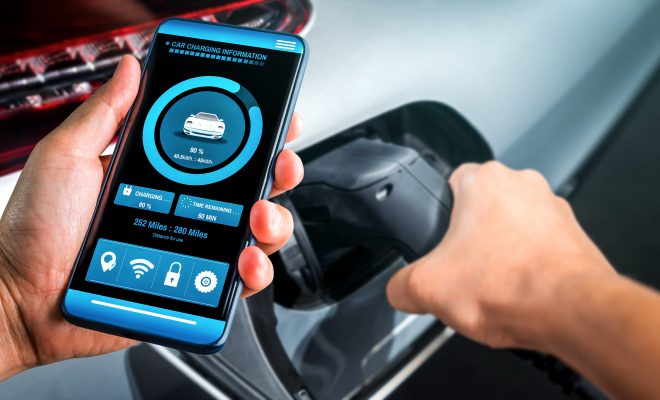
New research from the Australian Automotive Dealer Association (AADA) has found cheaper running and recharging costs have overtaken environmental concerns as the top reason Australians would consider buying an electric vehicle, the first time this has happened since AADA began tracking EV sentiment more than four years ago.
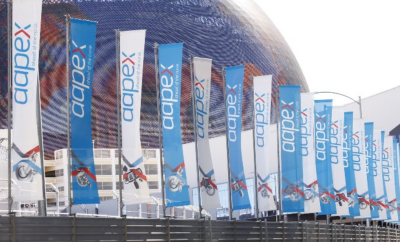
AADA CEO James Voortman presented the findings to more than 900 dealers and industry stakeholders at the AADA Convention and Expo in Sydney recently.
“This is one of the most significant shifts we have seen since AADA began tracking EV sentiment,” Voortman said. “For years, Australians considered EVs primarily for their environmental benefits. Today, the biggest attraction is their lower running and recharging costs compared with petrol or diesel vehicles.”
According to the research, 45 per cent of prospective EV buyers now cite lower running and charging costs as their main reason for considering an EV, while environmental motivations have continued to decline. Fifty five per cent of Australians agree rising petrol and diesel prices make EVs more attractive and EV consideration overall has risen to 41 per cent of drivers.
Voortman pointed to global instability as part of the driver behind the shift. “The conflict in Iran and renewed concerns around global energy markets have focused attention on fuel affordability and fuel security,” he said. “Australians are increasingly viewing EVs through a practical financial lens rather than an environmental one.”
The research lands against a fast changing new car market. AADA expects 67 vehicle brands competing in Australia this year, rising to 75 by 2031, with Chinese manufacturers a key driver. Based on recent sales trends, they now expect Chinese brands to reach around 58 per cent of Australia’s new car market by 2035, up from earlier estimates.
“The Australian automotive market is undergoing the most significant transformation in its history,” Voortman said. “Consumer preferences are changing, technology is evolving and new brands are entering the market at an extraordinary rate.”
For workshops, the brand expansion is arguably the bigger story hiding inside the cost narrative. Every new manufacturer entering the market brings its own diagnostic protocols, EV architecture and parts ecosystem, meaning workshops that have spent years building deep expertise on a handful of established EV brands now face a rapidly widening field.
As Chinese brands move toward majority market share by 2035, staying current on diagnostic tool coverage and factory training pathways for these newer entrants is shaping up as a genuine competitive advantage, rather than a nice to have.